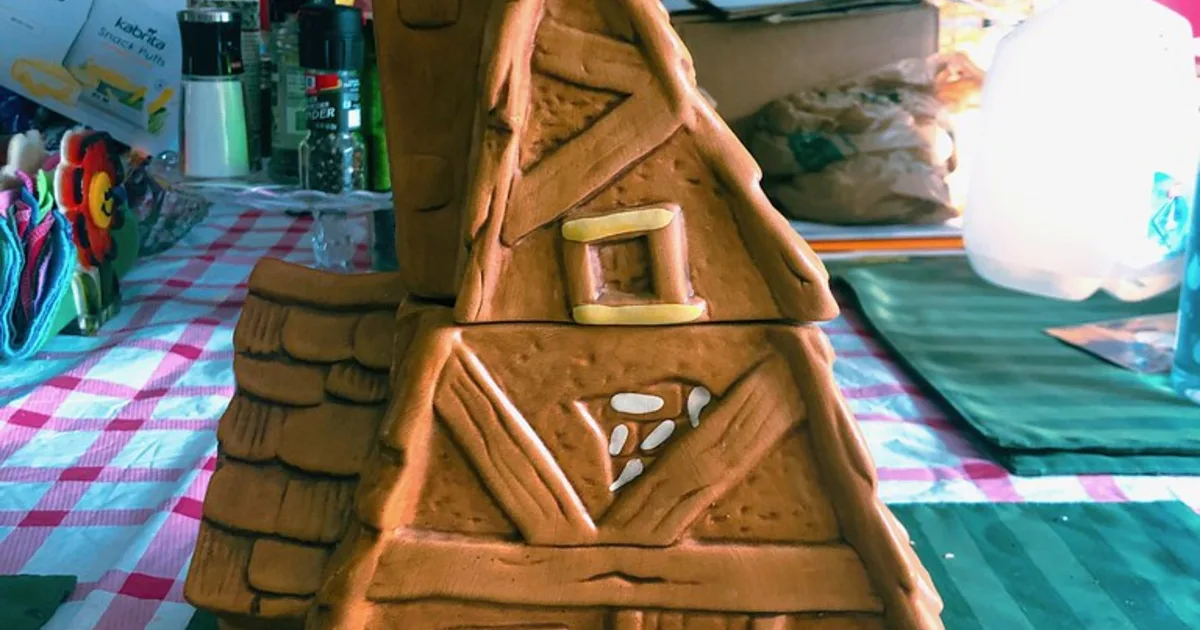
There is no single price for a vintage cookie jar. The same shape can sell for fifteen dollars or four hundred depending on who made it, which mold it is, what condition it is in, and how many buyers happen to want one that week. A price guide is most useful as a method, not a fixed figure. This guide explains what drives value in 2026 and how to arrive at a number you can defend.
What actually drives value
Five factors do most of the work. Learn to weigh them and you can value almost any jar without memorising a catalogue.
- Maker and moldA documented mold from a collected pottery such as McCoy, Brush, or Shawnee carries a premium. Unmarked or unattributed jars sell for less.
- ConditionChips, hairline cracks, repairs, and a replaced lid each cut value. Original paint and an original matching lid raise it.
- RarityShort production runs, discontinued colours, and character molds that were never reissued command higher prices when buyers can be found.
- DemandTrends move. A character jar tied to a current revival can spike, then settle. Value follows what buyers will actually pay this season.
- ProvenanceA clear chain of ownership, original box, or period receipt adds confidence and a modest premium, especially on higher-value pieces.
Read sold listings, not asking prices
The most common pricing mistake is trusting the optimistic number on a listing that has not sold. Asking prices tell you what a seller hopes for. Completed sales tell you what a buyer paid. On the major marketplaces you can filter to sold or completed items, then look for the same mold in the same condition. Gather three to five comparable sales, set aside any obvious outliers, and the middle of what remains is your working value. The method is the same one we describe in our guide to identifying genuine pieces before pricing.
Realistic 2026 ranges by category
The ranges below reflect the general spread of completed sales for jars in excellent condition with an original lid. Damaged or repaired examples sit well below the low figure. Treat these as starting points, not appraisals.
| Category | What it covers | Typical range |
|---|---|---|
| Common ceramic | Unbranded or generic figural jars | $15–$45 |
| Collected maker | Marked McCoy, Hull, or Metlox in good shape | $50–$160 |
| Character & figural | Popular named characters, original paint | $120–$300 |
| Scarce mold | Short-run or discontinued examples | $300–$700 |
| Top tier | Documented rarities with provenance | $800+ |
Why two identical jars sell for different prices
It surprises new collectors that the same mold in the same condition can close at noticeably different prices within a few weeks. The explanation is usually the marketplace, the photographs, and the timing rather than the jar itself. A piece listed with sharp, well-lit photographs of the base, the lid, and any flaws will outsell a poorly shot listing of the identical jar. A jar that lands in front of two determined bidders at auction can spike well past its typical range, while the same piece offered as a fixed price during a quiet week may sit unsold. None of this changes what the jar is worth on average. It is why collectors gather several comparable sales rather than trusting any single result, and why a strong sale and a weak sale are both treated as outliers to be set aside.
Where reproductions distort the numbers
Reproductions quietly drag down the apparent value of a popular design. When a mold has been copied many times, the marketplace fills with cheap modern copies listed alongside genuine pieces, and a casual search blends the two. If you average everything you see, you will land far below the true value of an authentic example. The fix is to price only against confirmed-genuine sales. Read the photographs of each comparable for the right mark, period-correct glaze, and documented measurements before you let it into your sample. Pricing a real jar against a pile of fakes is one of the most common ways collectors underestimate what they own, which is why identification has to come before valuation rather than after it.
How condition narrows the range
Within any category, condition decides where in the range a jar lands. A mint example with original lid sits near the top; light crazing alone keeps it close to the middle; a flea-bite chip or replaced lid drops it toward the floor. Crazing on its own is normal age and not damage, a point we cover in detail in our care guides. Before you commit to a figure, confirm the lid is original to the body and check the base for restoration under a bright light.
Used this way, a price guide stops being a list of numbers to memorise and becomes a repeatable method. Identify the maker and mold, grade the condition honestly, find recent comparable sales, and let the evidence set the price. For attributing the maker first, start with our McCoy identification guide.